Winter moves in Colorado get written off before anyone looks at the real risks. Cold air doesn't hurt a sofa. What slows a winter move is ice on the front steps, a mountain highway that closes for the afternoon, and a day that gets dark before the last load is in. Plan for those and a January move can go as well as one in June.
These are the beliefs we hear most from people with a move date between November and March, and what's actually true about each one.
Winter Moving Myths and Facts at a Glance
| Myth | Fact |
|---|---|
| Snow means the move gets canceled | Most snowy days are workable. Ice on walkways and closed roads are what stop a move. |
| Cold damages furniture in the truck | Padded wood and upholstery handle a cold ride. Liquids, screens and a few other items need care. |
| Mountain moves have to wait for spring | They need slack days and an eye on CDOT's road conditions. |
| Winter is quiet, so planning can wait | Holiday office hours, building rules and short days still need lead time. |
| A winter move runs the same as a summer one | Floor protection, path clearing and loading order all change once there's snow on the ground. |
Snow Rarely Stops a Move. Ice Does.
Movers carry furniture through falling snow every winter. Fresh snow on a walkway is a nuisance. Snow that's been walked on, melted in the afternoon sun and refrozen overnight is a hazard for anyone carrying a dresser down three steps. Front Range winters do exactly that: a sunny day, a hard freeze, and a glazed sidewalk by morning.
What to clear at both addresses
- Shovel the walk, steps and driveway the evening before, then again in the morning if it snowed overnight
- Put down ice melt on steps and anywhere water pools and refreezes
- Check for gutters or downspouts dripping onto a step or path
- Keep the curb in front of the house clear so a snowbank doesn't take the truck's spot
- Turn on porch and entry lights, and replace any burned-out bulbs
Ask whoever controls the new address (a seller, a landlord, an HOA) to do the same at that end. Ice at the delivery address is just as dangerous, and nobody is living there to notice it.
When moving the date makes sense
Freezing rain, an ice storm, or a closure on the only road between the two homes. Those are the calls worth making the day before. A few inches of snow on open roads usually isn't one of them.
Cold Is Hard on a Few Things, Not on Furniture
A padded dresser rides fine in a cold truck. The items that need thought are smaller and easier to miss.
Liquids can freeze and split their containers: paint, cleaning products, canned drinks, some cosmetics. Many movers won't load paint or chemicals at all, so plan to use them up or take them to a household hazardous waste drop-off. Houseplants don't do well in a cold truck either, so they usually travel in a warm car.
Electronics are the other one. A TV or computer brought straight from a cold truck into a warm room can collect condensation inside. Many manufacturers advise letting equipment reach room temperature before you plug it in, and the manual for your model will say how long they recommend.
Mountain Moves Need Slack Days
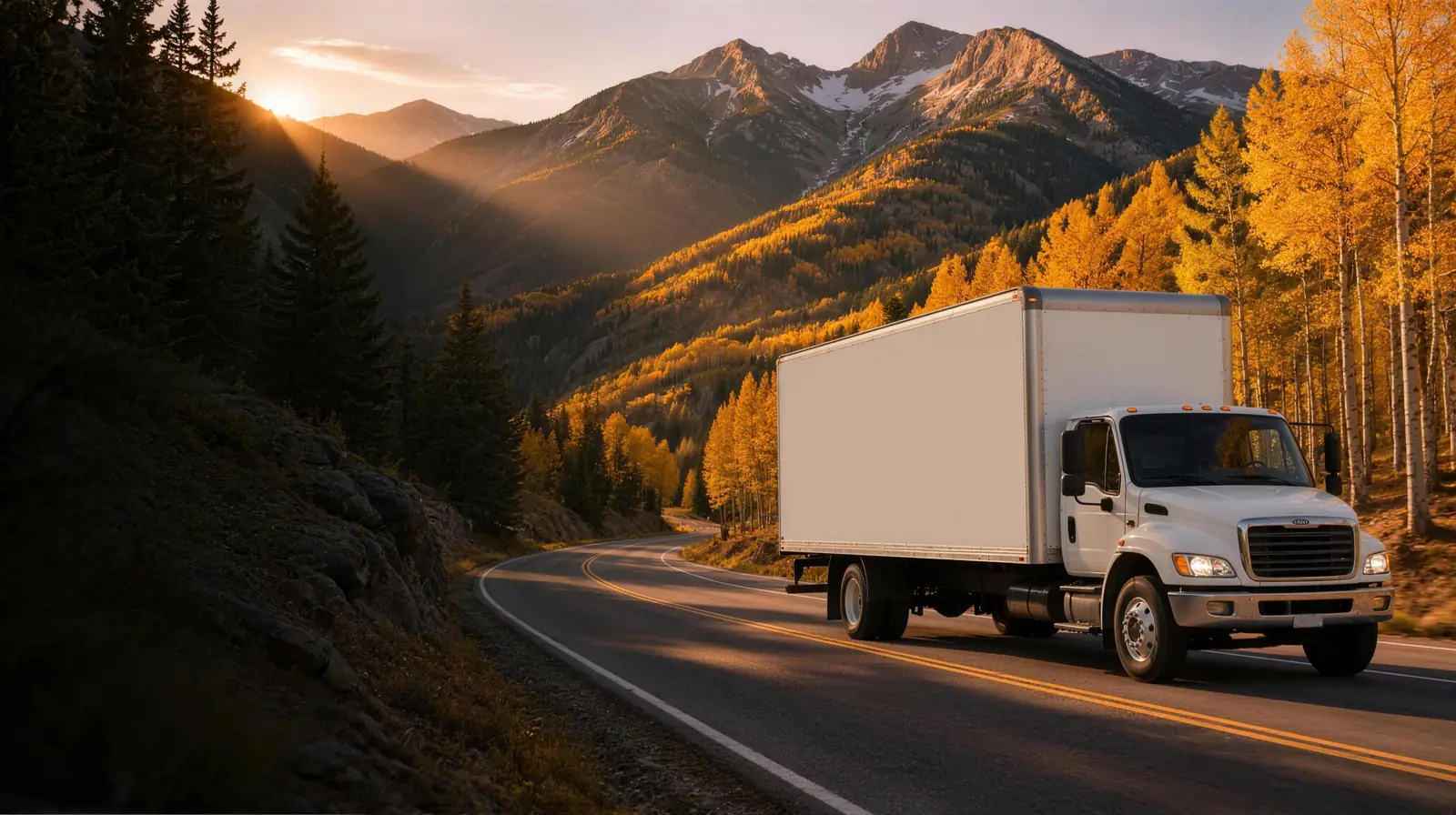
A move that crosses the mountains on I-70, US 285 or another pass is the one winter move that truly needs a different plan. During storms, CDOT puts traction and chain laws into effect on mountain highways, and the I-70 corridor can close for crashes or avalanche control. A loaded truck also climbs slowly and needs careful braking on the long grades.
None of that rules out a mountain move. It means the delivery shouldn't be planned for the day before a closing, and there should be a place for your belongings to wait if a pass closes. Our page on long-distance moves over Colorado's mountain routes covers the planning in more depth, and CDOT's COtrip site shows current conditions and closures.
Winter Moves Need More Lead Time
People assume the slow season means planning can wait. Summer is the busy season for moving, but winter has its own scheduling problems. Property managers and HOA offices keep holiday hours, so elevator reservations and move-in approvals take longer to get. Title companies and lenders close around the holidays too.
Then there's daylight. December afternoons get dark early, and loading in the dark on icy steps is slow and risky. Start early in the day. For local moves across the metro, a morning start usually leaves enough light to finish unloading, but a big house or a long carry at either end may not fit in one winter day. Ask for a plan that accounts for it.
If this, then that
- If snow is forecast but roads are open, then keep the date and clear both paths early.
- If freezing rain or ice is forecast, then talk with your mover the day before about a later start or a new date.
- If the route crosses a mountain pass, then build in a buffer day and know where your goods can wait.
- If your closing or lease end can't move, then ask about loading the day before.
- If you're moving screens or instruments, then carry them in your car and let them warm up before use.
The bottom line
The risks in a Colorado winter move are specific and mostly predictable: ice at the doors, closures on mountain roads and short afternoons. Clear both addresses, decide on weather the day before, keep cold-sensitive items in your car and give mountain routes a spare day. With that done, the season matters far less than the plan.
Request a moving quote for a winter move, and tell us about stairs, driveways and any mountain roads between the two addresses.