What a local move includes
A local move is a full move compressed into one day, sometimes two. The truck is loaded and unloaded the same day in most cases, so there's no slack for a missing elevator key or a sofa that won't clear a stairwell.
Before anything moves, walk the house with the crew lead. Point out what stays, what's fragile, and which room each large piece goes to at the new place. Then, on a typical local move, the crew:
- Protects floors, railings and door frames along the path in and out
- Pads and wraps furniture before it leaves the room
- Takes apart beds and tables that won't travel assembled, with the hardware bagged and labeled
- Loads the truck so heavy pieces ride low and boxes don't shift
- Unloads into the rooms you've marked and puts beds and tables back together
If you'd like the boxes handled too, our packing and unpacking services can cover the whole house or just the kitchen and fragile pieces.
Access decides the day more than distance
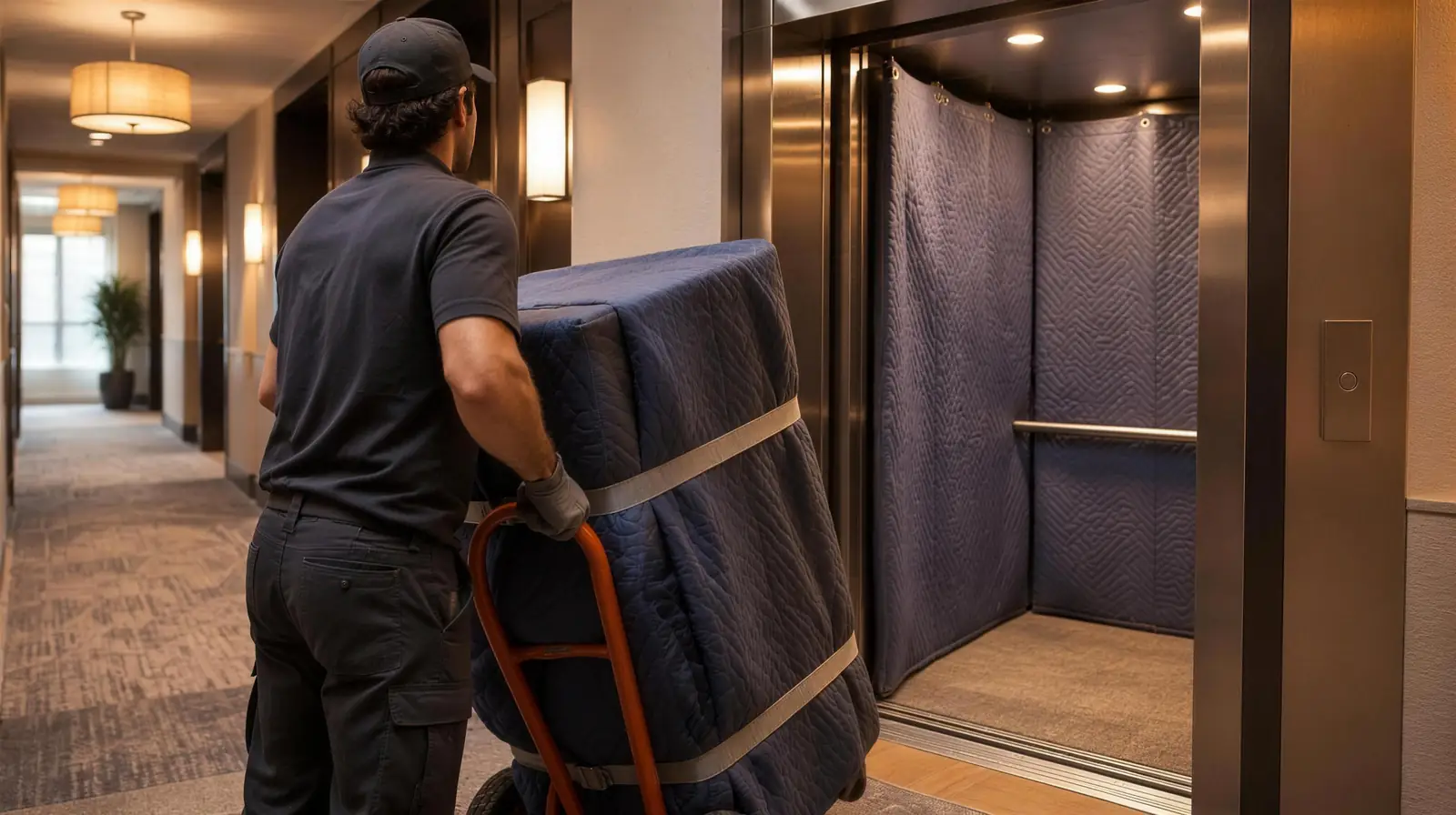
Two homes ten minutes apart can take very different amounts of time to move. The drive is the short part. Stairs, the walk from the truck, an elevator shared with other residents and a tight turn at the top of a staircase all add time, and they're the details a quote most often misses.
| Access detail | Why it matters | What to tell us |
|---|---|---|
| Stairs | Every trip up or down adds time and effort | Number of flights at each address |
| Long walk from the truck | Each piece travels farther by hand or dolly | Where a truck can stop and how far that is from the door |
| Elevator | Shared cars and reservation windows limit loading time | Whether it can be reserved, and the hours allowed |
| Narrow doors and tight turns | Large pieces may need to come apart | Any piece you had trouble moving in |
| Steep or icy driveway | A truck may need to park at the street | Photos of the driveway and the approach |
Apartment and condo buildings bring their own rules. Our apartment movers page covers elevator reservations, loading docks and building requirements in more detail.
Parking the truck at both addresses
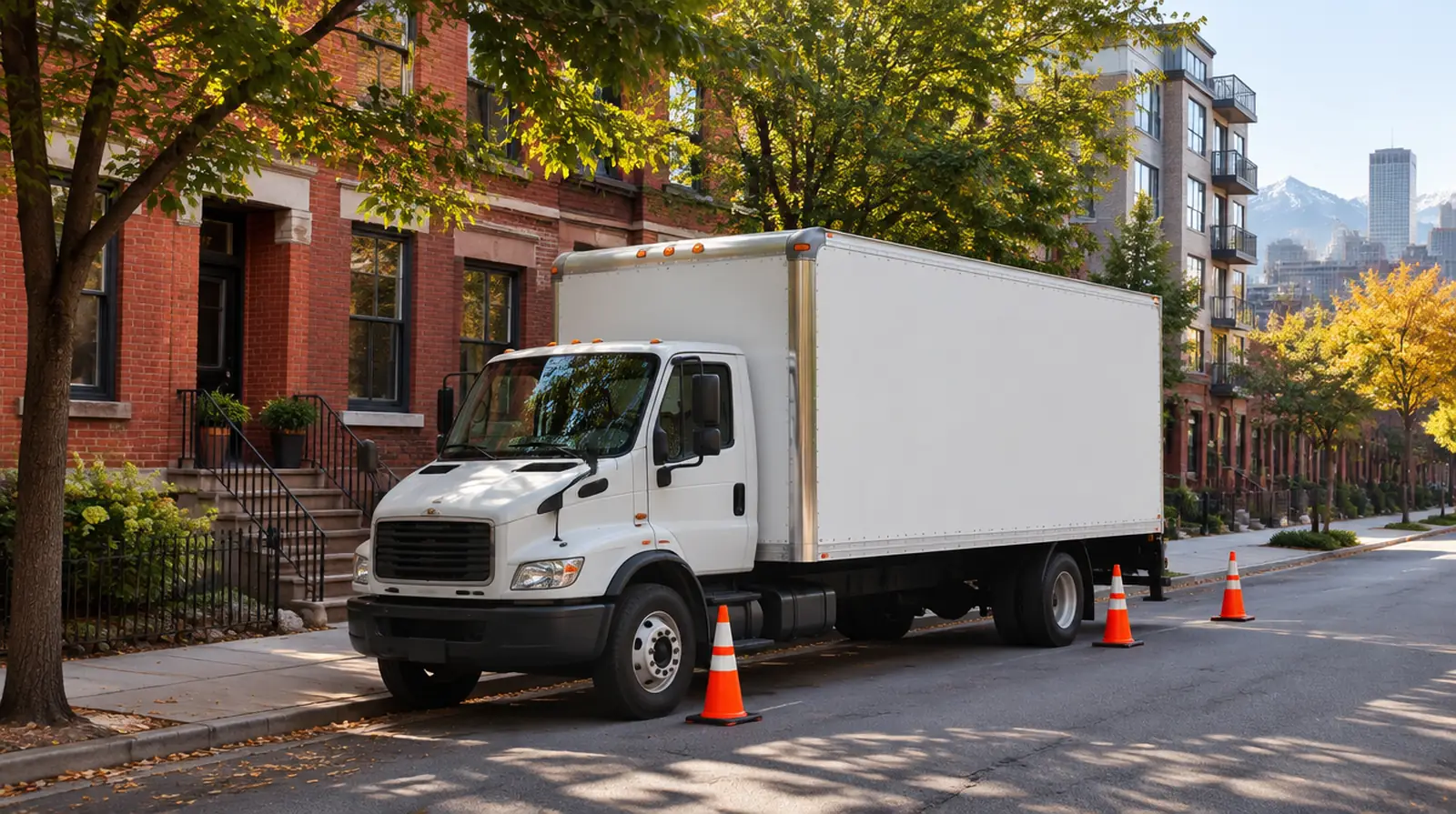
A moving truck needs a legal spot close to the door at both ends. On a quiet suburban street that's usually the curb. In denser neighborhoods it can be the hardest part of the day.
Some Colorado cities require a permit to reserve curb space or to block part of a street, and the rules differ from one city to the next. Check with the city's transportation or right-of-way office a few weeks out. HOAs often set their own limits on truck size, parking spots and hours, and some want notice before move day.
Tell us about alleys, low branches, overhead wires and gates. A truck that can't make the turn into a cul-de-sac or under a tree canopy has to park farther away.
Colorado weather on a local moving day
Front Range weather changes fast, and a move runs outside for hours. Winter is the obvious risk. Snow and ice on steps and walkways are a hazard for anyone carrying a dresser, so shovel and treat walks and steps at both addresses the night before, and again in the morning if it snows overnight. We lay floor protection inside, since wet boots and grit come in with every trip.
Spring storms can drop heavy, wet snow on a day that started sunny. Summer brings afternoon thunderstorms and heat inside the truck. Heat matters for candles, vinyl records, some electronics and anything with adhesive. Move those in your own car if you can.
Short winter daylight matters too. A late start can mean unloading at the second address in the dark and the cold, so early start times are worth asking for between November and February.
Watch the forecast the week of the move. If a storm is coming, call early to talk through timing at both addresses.
How a local move gets quoted
A good quote needs the same facts the crew will face on the day: what's moving, how it leaves the first home and how it gets into the second. We start with a room-by-room inventory, from a walkthrough or a video, then the access details at both addresses and whatever packing you want done.
Ask any mover how its price is figured and what could change it on the day. Items that weren't on the inventory, a carry longer than described and a missing elevator reservation are the usual reasons a final bill differs from the quote. Get the quote in writing and read it before you book.
If this, then that
- If your dates are flexible, then ask about midweek and mid-month days, which are less in demand than summer weekends and month-end.
- If your building sets move windows, then reserve the window first and book the movers around it.
- If you're packing yourself, then have every box taped and labeled before the crew arrives.
- If the closing and the move-in date don't match, then plan storage for the gap at the same time as the move, not the week before.
Check any mover before you book
In Colorado, companies that move household goods for hire register with the Colorado Public Utilities Commission. Before you book any mover, ourselves included, ask for the exact business name it operates under and look that name up in the PUC's online records. A mover that won't give you a name you can look up is a mover to skip.
If the move crosses a state line, the rules change to the federal ones run by FMCSA. That's covered on our long distance movers page.
The bottom line
An accurate inventory, honest access details and a confirmed parking plan at both addresses do more for a smooth local move than anything else you can do ahead of time.
Request a moving quote with both addresses, your date and a rough list of what's moving.